Full text rendered from the published PDF. The PDF is the version of record; if the two differ, the PDF governs.
Background: Intimate partner violence (IPV) is a major public health problem with serious physical, psychological, sexual, and socioeconomic consequences for women. This study compared patterns, predictors, and help-seeking behaviours related to IPV among women in rural and urban communities in Osun State, Nigeria.
Methods: A comparative cross-sectional mixed-methods study was conducted between May and July 2023 among 500 ever-partnered women (250 rural and 250 urban) selected through multistage sampling. Quantitative data were collected using a pretested, interviewer-administered questionnaire adapted from the World Health Organization’s Multi-Country Study on Women's Health and Domestic Violence, while qualitative data were obtained through four focus group discussions. Data were analysed using descriptive statistics, multivariable logistic regression, and thematic analysis.
Results: Physical violence was more common among rural women, whereas controlling behaviour and psychological violence predominated in urban communities. Significant predictors of IPV included partner alcohol consumption, childhood exposure to abuse, dysfunctional partner family background, and older partner age. Fewer than half of the respondents disclosed IPV, and among those who sought help, religious leaders and women's organisations were the most frequently consulted sources of support. Fear, shame, stigma, and economic dependence were the major barriers to help-seeking.
Conclusion: Rural–urban differences exist in the patterns, predictors, and help-seeking behaviours associated with IPV. Strengthening referral pathways, survivor-centred support services, community education, and women's economic empowerment may improve IPV prevention and response.
Keywords: Intimate Partner Violance, Help-seeking Behaviour, Nigeria, Rural Population, Urban Population, Women’s Health
Intimate partner violence (IPV) remains a major public health concern globally, with profound physical, emotional, economic, and reproductive health consequences for women. The World Health Organization estimates that approximately 30% of women worldwide have experienced physical and/or sexual violence by an intimate partner during their lifetime [1]. In sub-Saharan Africa, IPV prevalence is even higher, estimated at 36%, driven by entrenched gender norms, economic disparities, weak legal enforcement, and limited support systems [2]. In Nigeria, the 2024 Nigeria Demographic and Health Survey (NDHS) demonstrates that intimate partner violence remains a significant public health problem among women of reproductive age, with emotional, physical, and sexual violence persisting across both rural and urban communities. Recent analyses of the 2024 NDHS also reveal substantial rural–urban disparities in the prevalence and determinants of IPV, underscoring the need for context-specific prevention and response strategies [3]. The situation is further complicated by sociocultural acceptance of IPV, poor help-seeking behaviour, and inadequate institutional response. Women in rural areas are particularly vulnerable due to economic dependence, patriarchal norms, and limited access to justice or health services, all of which reinforce the cycle of violence [4]. A growing body of research in Nigeria and other low- and middle-income countries has examined the prevalence and determinants of IPV, highlighting key risk factors such as partner alcohol or substance use, childhood exposure to violence, low educational attainment, economic hardship, and inequitable gender norms [5,6]. Studies have also documented the barriers women face in seeking help, including stigma, fear of retaliation, lack of trust in law enforcement, and social expectations around family preservation [7]. However, most existing studies focus on urban populations or are based on nationally aggregated
data, masking important contextual differences between urban and rural communities [8]. Moreover, few studies have compared patterns and predictors of IPV between rural and urban areas, particularly within the same cultural and administrative setting, such as Osun State in southwestern Nigeria. Additionally, limited use of mixed-method approaches has constrained our understanding of the nuanced social and personal dynamics that influence IPV and help-seeking behaviour [9]. This gap in knowledge is critical. While we know IPV exists in both rural and urban settings, we lack community-level comparative data on how IPV manifests, what predicts its occurrence, and how women respond, particularly in under-researched regions like Osun State. We also do not fully understand the cultural and socioeconomic factors that shape women’s perceptions of violence or decisions to seek help in different community settings. Without such insights, interventions risk being poorly targeted, culturally insensitive, or ineffective in reducing IPV and supporting survivors. This study seeks to address this gap by employing a comparative cross-sectional mixed-methods design to assess the prevalence, patterns, predictors, and help-seeking behaviours related to IPV among women in rural and urban communities of Osun State.
Study Design and Setting This comparative cross-sectional mixed-methods study was conducted among ever-partnered women residing in selected rural and urban communities of Osun State, southwestern Nigeria . Quantitative and qualitative approaches were employed to compare the patterns, predictors, and help-seeking behaviours related to intimate partner violence (IPV) among women in the two settings. Data collection was conducted between May and July 2023. Study Population
The study population comprised ever-partnered women aged 18 years and above who had resided in the selected communities for at least six months before the survey. Ever-partnered women included those who were currently married or cohabiting, as well as those who were separated, divorced, or widowed and had previously been in an intimate relationship.
Eligibility Criteria Women aged 18 years and above who had ever been in an intimate relationship, had lived in the
[z 1−α/2 √2p(1 −p) + z 1−β √p 1 (1 −p 1 ) + p 2 (1 −p 2 )]
n=
where:
● n = minimum sample size required per group;
● Z 1−α/2 = standard normal deviate corresponding to a 95% confidence level (1.96);
● Z 1−β = standard normal deviate corresponding to 90% statistical power (1.28);
● P 1 = estimated prevalence of intimate partner violence among women in urban communities;
● P 2 = estimated prevalence of intimate partner violence among women in rural communities; and
● P = average of the two proportions, calculated as (P 1 + P 2 )/2 . Based on prevalence estimates obtained from a previously published comparative study and assuming a 95% confidence level, 90% statistical power, equal allocation between the two groups, and a 10% allowance for non-response, the minimum required sample size was 240 participants per group [8]. To improve the precision of the estimates and ensure adequate representation, 250 women were recruited for each study group, giving a total sample size of 500 participants. A previous study conducted in southwestern Nigeria reported lifetime IPV prevalences of 70.0% among urban women and 64.0% among rural women; these estimates were used for the sample size calculation [8].
Data Collection Instruments Quantitative data were entered, cleaned, and analysed using IBM SPSS Statistics version 20.
selected communities for at least six months, and provided written informed consent were eligible for participation. Women who were severely ill, unable to communicate effectively, or declined participation were excluded. Sample Size The sample size was determined using the formula for comparing two independent proportions, described by Lwanga and Lemeshow [10].
(p 1 −p 2 ) 2
Descriptive statistics were used to summarise respondents' socio-demographic characteristics and the prevalence of the different forms of IPV. Categorical variables were summarised using frequencies and percentages, while continuous variables were summarised using means and standard deviations where appropriate. Associations between independent variables and each IPV domain were initially assessed using bivariate logistic regression. Variables with a p- value < 0.20 in the bivariate logistic regression analysis, together with variables considered epidemiologically important based on previous evidence, were entered simultaneously into the multivariable logistic regression models using the Enter (forced-entry) method to identify independent predictors of each domain of IPV. Adjusted odds ratios (AORs) with 95% confidence intervals (CIs) were reported, and statistical significance was set at p < 0.05.
Qualitative data were analysed using thematic content analysis. Transcripts were read repeatedly to achieve familiarisation, coded manually, and organised into categories and themes that reflected participants' experiences, perceived risk factors, and help-seeking behaviours related to IPV. Representative quotations were used to illustrate key themes. Qualitative data were collected using a focus group discussion (FGD) guide developed from the study objectives. Four FGDs were conducted in Yoruba (the local language) by trained moderators, audio-recorded with participants' informed consent, and supplemented with field notes. The recordings were transcribed verbatim, translated into English, and checked for accuracy before thematic analysis. Data Analysis Quantitative data were entered and analysed using IBM SPSS Statistics version 20. Descriptive statistics were used to summarize respondents' characteristics and the prevalence of IPV. Associations between independent variables and each domain of IPV were initially assessed using bivariate logistic regression; variables with p < 0.20 from bivariate analysis, together with those considered epidemiologically important based on previous literature, were included in the multivariable logistic regression models using the Enter (forced-entry) method. Adjusted odds ratios (AORs) with 95% confidence intervals (CIs) were reported, and statistical significance was set at p < 0.05. Ethical Considerations Ethical approval was obtained from the Health Research Ethics Committee of Osun State’s Ministry of Health, Health Planning, Research and Statistics Department (OSHREC/PRS/569T/ 1161). Informed consent was obtained from all participants. Privacy and confidentiality were strictly maintained, and participants were assured
of their right to withdraw at any stage without consequence.
A total of 500 ever-partnered women participated in the study, comprising 250 respondents from rural communities and 250 from urban communities, yielding a 100% response rate. The respondents were included in both the quantitative and qualitative analyses. Their socio-demographic characteristics are presented in Table 1. Table 1 presents the socio-demographic characteristics of respondents from rural and urban communities. The mean age of respondents was 32.1 years in rural areas and 33.1 years in urban areas. Most respondents in both settings were of Yoruba ethnicity and practiced either Islam or Christianity. Educational level differed significantly between groups, with urban women more likely to have secondary or tertiary education compared with rural women (p < 0.001). Employment status and occupation also varied, with trading being the dominant occupation in both groups, though more prevalent among rural respondents (p = 0.041) Table 2 summarises the independent predictors of the different domains of IPV identified through multivariable logistic regression analysis. The significant predictors varied according to the type of IPV and place of residence. Partner alcohol consumption, dysfunctional partner family background, partner history of childhood abuse, and older partner age remained independently associated with one or more IPV domains after adjustment for potential confounding variables. As shown in Table 3, 54.4% of urban respondents reported disclosing experiences of IPV to someone, compared with 44.0% of rural respondents. Conversely, a greater proportion of rural respondents (56.0%) did not disclose their experiences compared with their urban counterparts (45.6%), suggesting lower disclosure of IPV in rural communities.
Among the 139 respondents who sought assistance, religious leaders (36.6%) and women's organisations (21.6%) were the most frequently reported sources of support. Religious leaders were consulted more often by urban respondents, whereas women living in rural communities more
commonly sought assistance from women's organisations. Utilisation of formal support services, including the police, hospitals, courts, and legal aid services, was generally low across both settings.
Table 4 summarises the commonly reported barriers to help-seeking among respondents who experienced IPV. Fear of their partners or of escalation of violence, shame or embarrassment, acceptance of violence as normal, concerns about family reputation, lack of knowledge about
responses exceeded the number of respondents.
available support services, economic dependence, and religious or cultural norms were the most frequently reported barriers. Because participants could report more than one barrier, frequencies rather than percentages are presented.
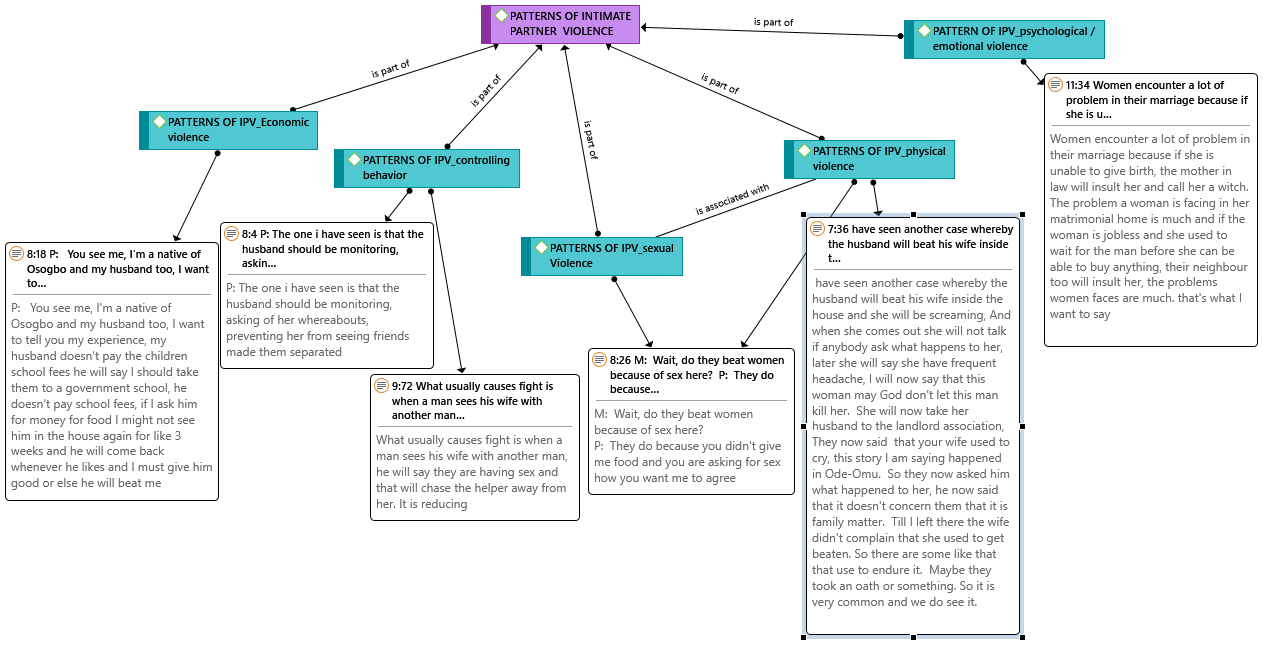
Economic violence was frequently reported, with participants describing situations where husbands withheld money or refused to pay children’s school fees, often accompanied by threats of physical harm to enforce compliance (P8:18). Controlling behaviours involved monitoring wives’ movements, restricting social interactions, and preventing contact with friends, sometimes resulting in enforced separation within households (P8:4; P9:72). Sexual violence was characterised by coercion into sexual activity, often linked to denial of food or neglect of basic needs. One participant reported that refusal of sex could lead to beatings, illustrating the intersection of sexual coercion and physical abuse (P8:26). Physical violence was prevalent across both rural and urban communities , with women recounting beatings at home. Such incidents were occasionally minimised by the community as “family matters,” causing some women to endure repeated abuse silently (P7:36). Psychological and emotional violence encompassed verbal insults, social shaming, and pressure from in-laws, particularly regarding fertility or unemployment, contributing to substantial emotional distress (P11:34). Overall, these findings indicate that IPV in Osun State is multifaceted , with overlapping economic, physical, sexual, controlling, and emotional dimensions (Figure 1).
Patterns of Violence: A Rural–Urban Portrait The present study found distinct rural–urban differences in patterns of intimate partner violence (IPV). Physical violence was more frequently reported among women in rural communities, whereas controlling behaviour and psychological (emotional) violence were more prevalent among urban respondents. These findings are consistent with previous Nigerian studies. For example, Tella et al . reported a higher prevalence of physical violence among rural women in the Niger Delta (43.6% vs. 23.7% in urban areas), while Balogun et al. observed that controlling
behaviours and sexual violence were more common among urban women, whereas physical assaults occurred more frequently among rural women [11,12]. The observed differences may reflect variations in gender norms, socioeconomic conditions, women's autonomy, educational attainment, and access to social support and formal services between rural and urban settings. Globally, approximately one in three women experience physical and/or sexual violence by an intimate partner during their lifetime, with the highest burden reported in sub- Saharan Africa [13]. Similarly, the 2018 Nigeria Demographic and Health Survey reported that 28% of ever-married women had experienced emotional, physical, or sexual violence perpetrated by their current or most recent partner [14]. These findings underscore that IPV remains a major public health challenge in Nigeria, although the pattern and manifestation of violence may differ between rural and urban communities. Economic Violence: The Overlooked Giant The qualitative findings highlighted economic violence as an important dimension of IPV experienced by women in both rural and urban communities. Participants described financial control, withholding of money, and refusal to provide for children's basic needs as mechanisms through which abusive partners exercised power and control. These findings reinforce growing evidence that economic abuse is an important, yet frequently overlooked, component of IPV [15]. In our context, rural women’s subsistence livelihoods and urban women’s job dependence both create opportunities for partners to exert economic control. A recent scoping review confirms that lack of financial resources exposes young women to every form of IPV—physical, sexual, emotional and economic, and that dependence on a partner’s income threatens women’s long-term stability [15]. This suggests that any intervention should address women’s
economic empowerment and the economic dimensions of abuse, even if they are less visible than physical violence. Cultural Norms and Silence: Why Rural Women Stay Quiet Deeply ingrained gender norms help explain why rural survivors seldom speak out. In many rural African communities wife-beating is socially accepted, making violence invisible. In Senegal, for instance, only 36% of rural married women rejected the notion that a husband is justified in beating his wife, compared with 69% of urban women [16]. When violence is culturally normalised, victims may internalise “tolerance” and avoid seeking help. Consistent with this, we found rural survivors overwhelmingly use silence and informal coping (e.g. confiding only in family) rather than formal help. In one Nigerian study, 69.4% of rural IPV survivors kept quiet to “avoid family disharmony,” versus 46.4% of urban survivors [18]. This reluctance reflects fear, shame, and the expectation of endurance in rural settings [18]. By contrast, urban women may feel more entitled to complain, and indeed our findings (and others) show higher reporting and help- seeking in cities. Help-Seeking Behaviours: Why Urban Women Speak Out More We observed stark rural–urban differences in help-seeking. Overall help-seeking was low: fewer than half of survivors sought any help (formal or informal). Critically, formal help (police, health services, legal aid) was rare and only a few percent, especially in rural areas. For example, in the Niger Delta only 3.1% of rural survivors sought police assistance versus 10.7% of urban survivors [11]. This pattern echoes broader trends: across Sub-Saharan Africa only ~39% of women seek any help after IPV [18], and in Nigeria 65% of abused women report never seeking help at all [18]. The vast majority (e.g. 98.1% in one survey) rely solely on family or friends [18]. Reasons include limited access to
services (especially in remote areas), distrust in police or courts, and cultural pressures. Interview studies show survivors stay silent because of stigma, fear of retaliation, economic dependence, or beliefs that violence is “normal” [17,18]. The higher level of disclosure observed among urban respondents may reflect differences in awareness, perceived availability of support, or sociocultural context. However, these factors were not directly assessed in the present study and warrant further investigation [11,18]. Implications for Policy and Intervention These findings have clear public health implications. First, survivor-centred services must be strengthened, especially in rural areas. Governments should expand victim support (hotlines, legal aid, emergency shelters, and counseling) and ensure services are accessible outside city centres [18,19]. CDC guidance emphasises “victim-centred” approaches— including housing support and legal protection— to increase safety and resilience [19,20]. Second, community interventions should target attitudes and norms. Programmes that engage local leaders and men (e.g. community dialogues or mentorship programmes) can shift beliefs that excuse violence. Several African countries have launched norm-change campaigns and found them moderately effective [15,20]. Third, integrating IPV screening into primary health and social services can help identify hidden cases. Training healthcare workers and social workers in both rural clinics and urban centres to recognise and respond to IPV is crucial. Finally, economic and educational empowerment for women can reduce risk; microfinance, education, and job programmes should be part of IPV prevention packages. Recommendations Based on the findings of this study, a coordinated, multi-sectoral approach is recommended to strengthen the prevention and response to IPV in both rural and urban communities. Health
facilities should establish standardised IPV screening, first-line support, and referral pathways to ensure that survivors are promptly linked to appropriate services, including counselling, legal aid, shelters, psychosocial support, and social welfare agencies. Clear safety protocols should be developed and implemented to guide healthcare providers, social workers, and law enforcement personnel in the confidential identification, documentation, management, and referral of survivors while prioritising their safety. Community-based interventions that engage traditional and religious leaders, men, and community groups should be expanded to challenge harmful gender norms, reduce the social acceptance of IPV, and promote timely help- seeking. In addition, regular training should be provided for police officers, healthcare professionals, and other frontline responders to improve survivor-centred care and ensure effective implementation of existing laws and policies addressing gender-based violence. Finally, programmes that promote women's economic empowerment through vocational skills training, access to credit, and educational opportunities should be strengthened to reduce financial dependence on abusive partners and enhance women's capacity to seek protection and support. Strengths and Limitations A major strength of this study is its comparative assessment of IPV in rural and urban communities within the same state, an approach that remains relatively uncommon in Nigeria. The use of a standardised, interviewer-administered questionnaire adapted from the World Health Organization's Multi-Country Study on Women's Health and Domestic Violence, together with trained interviewers, enhanced the consistency and quality of data collection. Nevertheless, several limitations should be considered when interpreting the findings. First, the cross-sectional design precludes causal
inference between the identified risk factors and IPV. Second, the reliance on self-reported data makes the study susceptible to recall bias and social desirability bias, particularly for sensitive experiences such as sexual violence, which may have resulted in under-reporting. This bias may have been more pronounced among rural women because of stigma, fear of retaliation, and prevailing sociocultural norms surrounding disclosure of IPV. Third, the study was conducted in only one state in southwestern Nigeria; therefore, the findings may not be generalisable to other regions with different sociocultural and demographic characteristics. In addition, some adjusted odds ratios were accompanied by wide confidence intervals, reflecting limited precision due to sparse data in certain exposure categories. Consequently, these effect estimates should be interpreted with caution, although the direction of the observed associations remained consistent with previous evidence. Future studies should employ longitudinal or prospective study designs to establish temporal relationships and better characterise causal pathways linking individual, partner, household, and community-level factors with IPV. They should also incorporate important determinants that were not comprehensively assessed in the present study, including partner educational attainment, community social cohesion, and other contextual factors known to influence IPV risk. Furthermore, emerging forms of IPV, such as reproductive coercion and digital or technology- facilitated abuse, should be included in future assessments to provide a more comprehensive understanding of violence against women. Finally, future research should clearly define and operationalise complex constructs such as dysfunctional partner family background, particularly when they are identified as significant predictors across multiple IPV domains, to improve the consistency, reproducibility, and interpretation of findings.
This study identified important rural–urban differences in the factors associated with intimate partner violence and in help-seeking behaviours among women in Osun State. The predictors of different forms of IPV varied according to place of residence, while help-seeking remained suboptimal in both settings despite slightly higher disclosure among urban respondents.
These findings highlight the need for context- specific interventions that address the social, cultural, and economic factors associated with IPV in both rural and urban communities. Strengthening survivor-centred support services, improving access to formal help, and promoting community-based interventions may enhance prevention and response efforts. Future research should further explore barriers to help-seeking and examine the prevalence and determinants of specific IPV domains using longitudinal or prospective study designs
The datasets generated and/or analysed for the current study are available from the corresponding author upon reasonable request.
The authors declare that they have no conflicts of interest.
This research received no specific grant from any funding agency in the public, commercial, or not- for-profit sectors.
The authors sincerely thank all of the women who participated in this study for their time and willingness to share their experiences. We also acknowledge the contributions of the research assistants and community leaders who facilitated the successful conduct of the study.
Artificial intelligence (AI) tools (ChatGPT, developed by OpenAI) were used solely to assist with language editing, grammar, sentence structure, and clarity and readability of the manuscript. AI was not used to generate, analyse, or interpret study data, perform statistical analyses, or make scientific conclusions. The authors carefully reviewed and verified the text, and accept full responsibility for the accuracy, integrity, and final content of the manuscript.
| Socio- | Residence (%) | Statistics | ||
|---|---|---|---|---|
| demographic | Rural | Urban | Total | |
| characteristics | (n = 250) | (n = 250) | (N = 500) | |
| Age groups | ||||
| (years) | 20 (8.0) | 14 (5.6) | 34 (6.8) | χ2 = 7.093 |
| < 20 | 98 (39.2) | 78 (31.2) | 176 (35.2) | df = 4 |
| 20 – 29 | 67 (26.8) | 78 (31.2) | 145 (29) | p = 0.131 |
| 30 – 39 | 36 (14.4) | 52 (20.8) | 88 (17.6) | |
| 40 – 49 | 29 (11.6) | 28 (11.2) | 57 (11.4) | |
| ≥ 50 | ||||
| Religion | ||||
| Traditional | 1 (0.4) | 3 (1.2) | 4 (0.8) | χ2 = 1.061 |
| Christianity | 111 (44.4) | 111 (44.4) | 222 (44.4) | df = 2 |
| Islam | 138 (55.2) | 136 (54.4) | 274 (54.4) | p = 0.588 |
| Tribe | ||||
| Yoruba | 242 (96.8) | 245 (98.0) | 487 (97.4) | χ2 = 0.711 |
| Other | 8 (3.2) | 5 (2.0) | 13 (2.6) | df = 1 |
| p = 0.399 | ||||
| Educational | ||||
| level | 38 (15.2) | 17 (6.8) | 55 (11) | χ2 = 46.043 |
| No formal | 94 (37.6) | 57 (22.8) | 151 (30.2) | df = 3 |
| education | 109 (43.6) | 127 (50.8) | 236 (47.2) | p = 0.001* |
| Primary | 9 (3.6) | 49 (19.6) | 58 (19.6) | |
| Secondary | ||||
| Tertiary | ||||
| Employment | ||||
| status | 242 (96.8) | 233 (93.2) | 475 (95) | χ2 = 3.411 |
| Employed | 8 (3.2) | 17 (6.8) | 25 (5) | df = 1 |
| Unemployed | p = 0.065 | |||
| Occupation | ||||
| Student | 9 (3.6) | 8 (3.2) | 17 (3.4) | χ2 = 11.586 |
| Civil servant | 5 (2.0) | 19 (7.6) | 24 (4.8) | df = 5 |
| Artisan | 67 (26.8) | 65 (26.0) | 132 (26.4) | p = 0.041* |
| Professional | 3 (1.2) | 2 (0.8) | 5 (1) | |
| Trading | 154 (61.6) | 137 (54.8) | 291 (58.2) | |
| Other | 12 (4.8) | 19 (7.6) | 31 (6.2) | |
| * Statistically significant | at p < 0.05, df | = degree of freedom, | χ2 = chi-square, LR | = likelihood ratio |
| DOI: 10 52609/jmlph v6i3 | 304 | | E-mail: faniyiakinwale2014@gmail | com |
| (adjusted logistic | regression) | |||||
|---|---|---|---|---|---|---|
| Type of IPV | Predictor | Location | Adjusted odds | 95% CI | p- | |
| ratio (AOR) | value | |||||
| Physical | Partner drinks alcohol | Urban | 8.55 | 2.27 | – | 0.002 |
| violence | occasionally | 32.24 | ||||
| Partner drinks 1– | Rural | 4.41 | 1.27 | – | 0.019 | |
| 2x/week | 15.26 | |||||
| Dysfunctional partner | Rural | 8.71 | 1.71 | – | 0.000 | |
| family background | 28.54 | |||||
| Partner age ≥ 50 | Urban | 19.12 | 1.32 | – | 0.031 | |
| 277.49 | ||||||
| Sexual violence | Partner experienced | Rural | 6.96 | 2.61 | – | 0.000 |
| childhood abuse | 18.57 | |||||
| Partner experienced | Urban | 15.39 | 5.80 | – | 0.000 | |
| childhood abuse | 40.84 | |||||
| Dysfunctional partner | Rural | 6.69 | 2.22 | – | 0.001 | |
| family background | 20.19 | |||||
| Partner age ≥ 50 | Urban | 42.33 | 3.96 | – | 0.002 | |
| 42.60 | ||||||
| Psychological | Dysfunctional partner | Rural | 12.38 | 1.16 | – | 0.037 |
| violence | family background | 13.23 | ||||
| Partner experienced | Urban | 3.74 | 1.46 | – | 0.006 | |
| childhood abuse | 9.57 | |||||
| Controlling | Partner experienced | Urban | 3.74 | 1.46 | – | 0.006 |
| behaviour | childhood abuse | 9.57 | ||||
| Economic | Partner experienced | Urban | 6.39 | 1.24 | – | 0.026 |
| violence | childhood abuse | 32.81 | ||||
| Note: Only statistically | significant predictors (p < | 0.05) are | shown. R = Rural; | U = Urban. | ||
| DOI: 10 52609/jmlph v6i3 | 304 | | E-mail: | faniyiakinwale2014@gmail | com |
| A. Disclosure of IPV | ||
|---|---|---|
| Variable Rural (n = 250) | Urban (n = 250) | Total (N = 500) |
| Disclosed IPV to someone 110 (44.0%) | 136 (54.4%) | 246 (49.2%) |
| Did not report IPV 140 (56.0%) | 114 (45.6%) | 254 (50.8%) |
| B. Sources of help among respondents who sought assistance | (N = 139) | |
| Source of help Rural (n = 39) | Urban (n = 100) | |
| Police 2 (5.1%) | 5 (4.7%) | 7 (5.0%) |
| Hospital 4 (10.3%) | 8 (7.5%) | 12 (8.6%) |
| Social services 0 (0.0%) | 8 (7.5%) | 8 (5.8%) |
| Legal aid centre 0 (0.0%) | 3 (2.8%) | 3 (2.2%) |
| Court 0 (0.0%) | 10 (9.4%) | 10 (7.2%) |
| Shelter 1 (2.6%) | 2 (1.9%) | 3 (2.2%) |
| Community leader 2 (5.1%) | 13 (12.3%) | 15 (10.8%) |
| Women’s organisation 23 (59.0%) | 7 (6.6%) | 30 (21.6%) |
| Religious leader 7 (17.9%) | 44 (41.5%) | 51 (36.6%) |
| Percentages are calculated based on the number of respondents | who sought assistance | (Rural n = 39; |
| Urban n = 100; Total N = 139). Multiple responses were | not permitted. |
| Barrier | |||
|---|---|---|---|
| Fear of partner | |||
| Felt ashamed o | |||
| 10 52609/jmlph v6i3 304 | | |||
| Believed violence was normal or acceptable | 64 | 19 | 83 |
| Concern about family reputation or stigma | 36 | 27 | 63 |
| Did not know where to go or whom to tell | 41 | 21 | 62 |
| Economic dependence on partner | 18 | 26 | 44 |
| Religious/cultural norms discouraged disclosure | 11 | 18 | 29 |
| Multiple responses were permitted; therefore, frequencies rather than percentages | are presented, | as the total number of | |
| d d h b f | d |